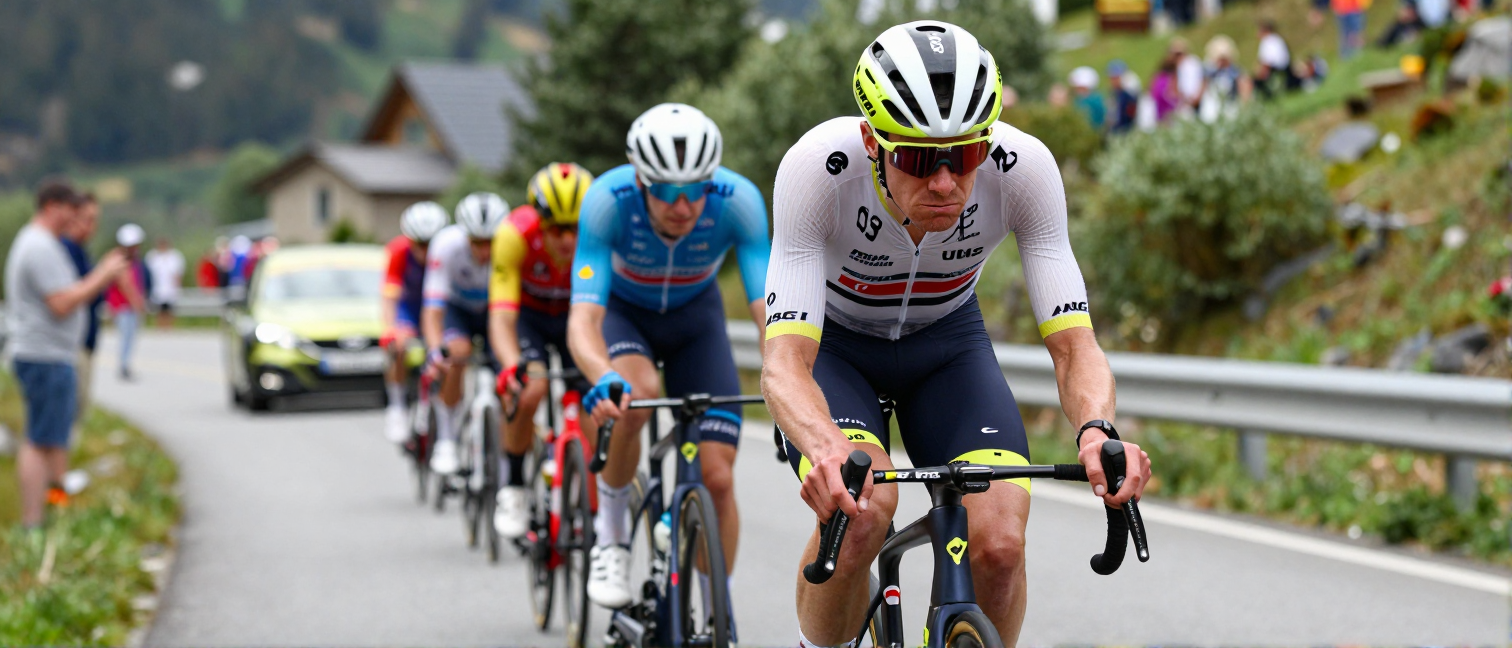
Sepp Kuss was edged out by Tom Pidcock in a nail‑biting sprint to claim victory at the Andorra MoraBanc Clàssica on 27 April, leaving the American rider in second place after a grueling 180‑km mountain‑laden route.
What happened?
The one‑day race unfolded on a sunny Saturday in Andorra, featuring three major climbs that tested the peloton’s climbing legs. Kuss, riding for Jumbo‑Visma, stayed with the lead group through the first two ascents, then launched a decisive attack on the final climb, the Port del Cantó, at roughly 2 hours 45 minutes into the race. He powered to the front, but Pidcock, representing Ineos Grenadiers, timed his response perfectly and caught Kuss in the last kilometre.
Both riders entered the final sprint together, wheels side‑by‑side, as the finish line loomed. Pidcock surged ahead in the last 200 metres, crossing the line in 4 minutes 12 seconds, while Kuss arrived just 0.31 seconds later. The result gave Pidcock his first win of the season and left Kuss with a respectable runner‑up finish.
Why it matters for Sepp Kuss
Kuss’s performance highlights his continued strength in mountainous terrain, a key asset for Grand Tour teams. Finishing second in a race that featured three categorized climbs shows his climbing pedigree remains intact after a season hampered by a late‑season injury. The close sprint also suggests he can hold his own in fast finishes, a skill that could prove valuable in future stage‑race finales where a reduced group decides the outcome.
For Jumbo‑Visma, Kuss’s aggressive move on the final climb signals that the team still trusts him to animate races, even when a pure sprinter like Pidcock is in the mix. The result may influence team tactics in upcoming one‑day events such as the Clásica de San Sebastián, where a similar blend of climbs and flat finishes is expected.
How the race unfolded tactically
Jumbo‑Visma and Ineos Grenadiers both sent multiple riders to the front early, controlling the pace and preventing breakaways from gaining a large gap. When the first climb, the Coll de la Creu, hit, Kuss’s teammates set a high tempo, thinning the field. On the second ascent, the Port de la Bona, Pidcock’s squad responded, keeping the race together.
The decisive moment came on the Port del Cantó, where Kuss attacked with 5 km to go. Ineos Grenadiers immediately organized a chase, with Pidcock leading the effort. The two riders stayed together over the summit, and the final kilometre turned into a cat‑and‑mouse game. Pidcock’s superior sprint speed on the flat finish gave him the edge.
What’s next for Sepp Kuss?
Kuss will likely target the upcoming Ardennes classics, where his climbing ability can be a decisive factor. A strong showing in the Amstel Gold Race or Liège‑Bastogne‑Liège could boost his confidence ahead of the Giro d’Italia, where Jumbo‑Visma hopes he will support their GC contender.
In the short term, the rider will regroup with his team at their training base in Girona, reviewing race data and fine‑tuning his sprint positioning. If he can sharpen his finishing kick, he may turn future second‑place finishes into wins, especially in races that end with a reduced sprint after a series of climbs.
Andorra’s picturesque backdrop may have faded, but the battle between Kuss and Pidcock will be remembered as a showcase of climbing grit meeting sprint power, a combination that keeps fans glued to the sport.